

Geels Performance& Nutrition
Youth performance · Wylie, TX
Youth performance
Thoughtful coaching that helps young athletes move well, build useful strength, and develop confidence they can carry into sport.
A stronger foundation for what comes next
Coaching that makes sense to the athlete—and the parent.
The best youth training is clear about what is being developed, why it matters, and how the work fits the athlete’s current stage.
For parents
You should see thoughtful progression, not random intensity.
Emily considers the athlete’s sport, experience, confidence, current schedule, and movement needs before deciding what belongs in the plan.
- Age-appropriate challenge
- Movement quality before complexity
- Training that can adapt around sport demands
For athletes
You deserve to understand the work you are doing.
Training is a place to practice, ask questions, make corrections, and learn what strong movement feels like—not a test you are expected to pass on the first try.
Effort + instruction + time
Long-term athletic development
Build from the center out.
Athletic skills are connected. Control supports strength. Strength supports force. Confidence helps an athlete use all of it with intent.
The athlete at the centerControlStrengthPerformance
- 01
Movement control
Learn positions, balance, coordination, and body awareness before adding complexity.
- 02
Useful strength
Build an age-appropriate strength base that supports practice, competition, and everyday movement.
- 03
Athletic options
Practice accelerating, stopping, changing direction, and producing force with purpose.
- 04
Growing confidence
Understand the work, respond to feedback, and take more ownership over time.
Inside the coaching
More than drills. A learning process.
The quality of youth training depends on what the coach notices and what the athlete learns—not how complicated the exercise looks.
- 01
Observe
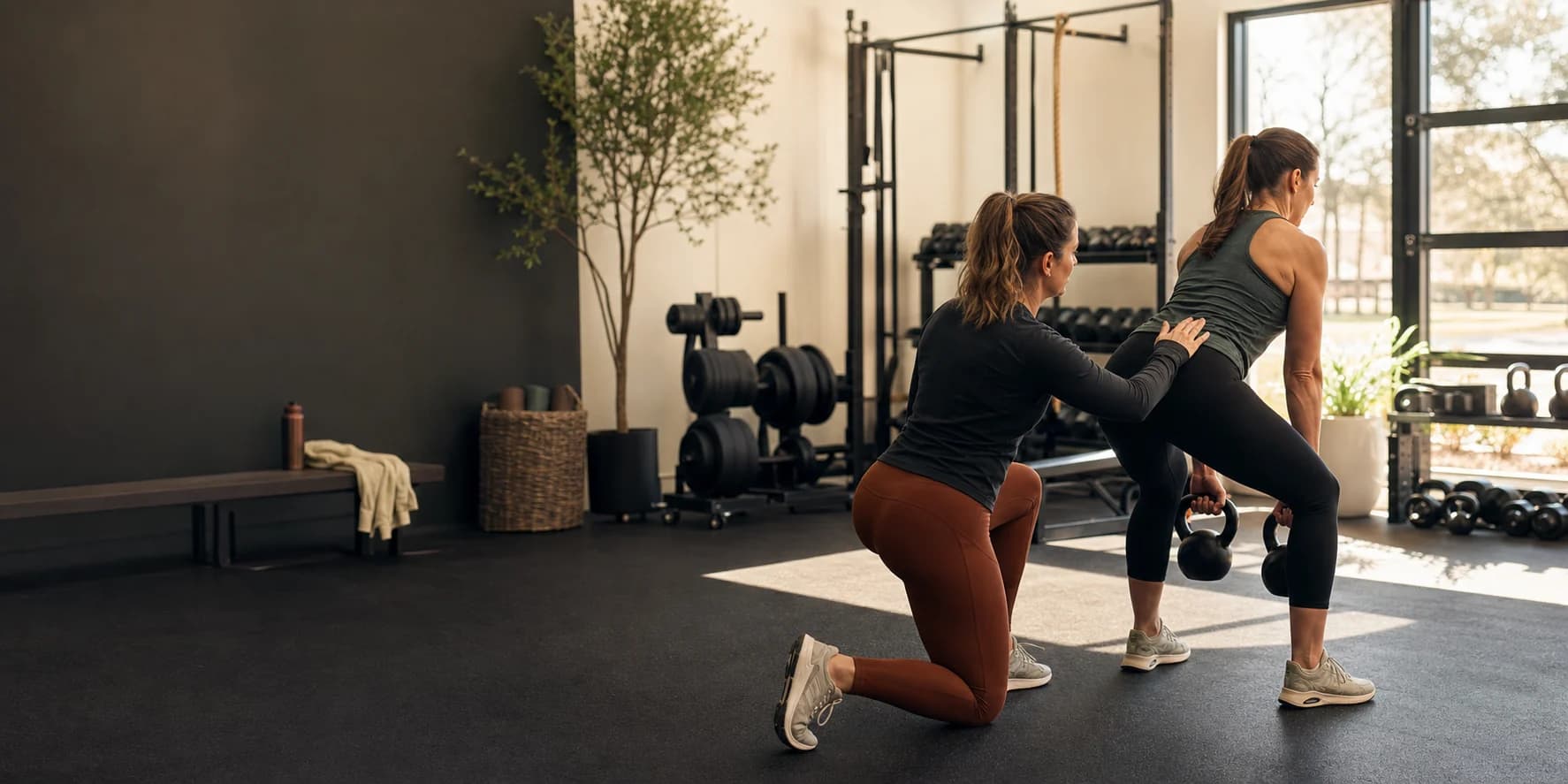
Emily watches how the athlete moves, listens to what they are experiencing, and considers the demands around them.
- 02
Teach
A clear cue, a useful demonstration, and enough time to practice turn movement into a skill.
- 03
Challenge
The work becomes harder when the athlete is ready—not simply because the calendar says it should.
- 04
Adjust
Training can change with readiness, sport demands, growth, confidence, and feedback.